
- โทรหาเรา : +86-15060765919
- ส่งอีเมลหาเรา : bella@fespower.cn
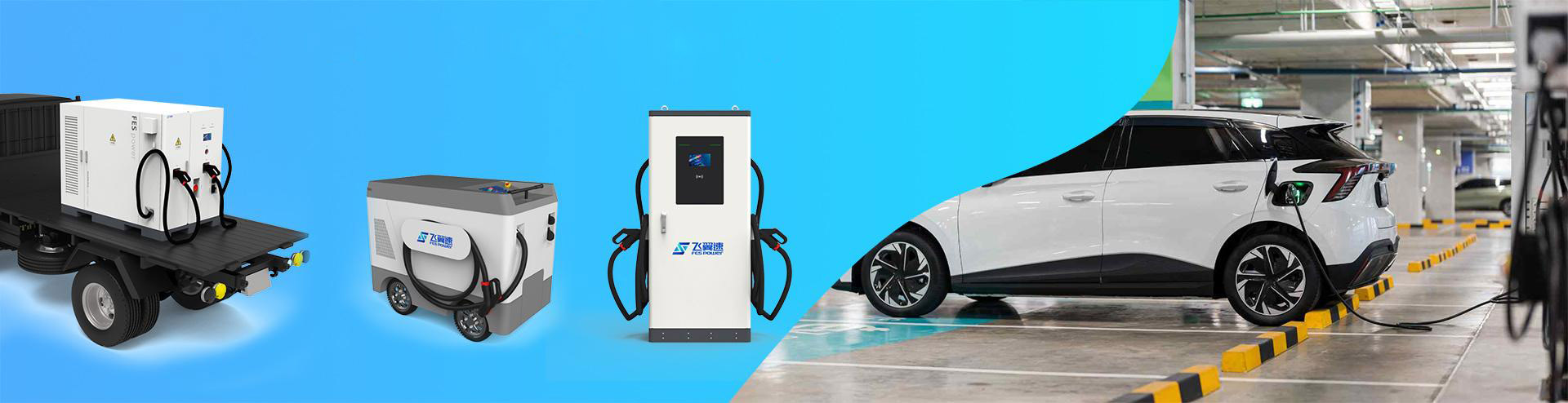
ทำไมตลาดสถานีชาร์จรถยนต์ไฟฟ้าถึงเติบโตอย่างรวดเร็ว? 📈
ตลาดสถานีชาร์จรถยนต์ไฟฟ้าทั่วโลกกำลังขยายตัวอย่างรวดเร็ว ข้อมูลแสดงให้เห็นว่าในปี 2024 ขนาดตลาดอยู่ที่ประมาณ 20.4 พันล้านดอลลาร์สหรัฐ และคาดว่าจะเติบโตเป็น 76.8 พันล้านดอลลาร์สหรัฐภายในปี 2033 โดยมีอัตราการเติบโตเฉลี่ยต่อปีเกือบ 16% ในขณะเดียวกัน จำนวนสถานีชาร์จสาธารณะทั่วโลกมีมากกว่า 5 ล้านแห่ง โดยเพิ่มขึ้นกว่า 1.3 ล้านแห่งในปี 2024 เพียงปีเดียว ซึ่งเพิ่มขึ้นมากกว่า 30% เมื่อเทียบกับปีก่อนหน้า
นี่เป็นการบ่งชี้ถึงการเปลี่ยนแปลงที่ชัดเจน: โครงสร้างพื้นฐานการชาร์จกำลังพัฒนาจาก "สิ่งอำนวยความสะดวกสนับสนุน" ไปสู่ "จุดเข้าถึงพลังงานหลัก"
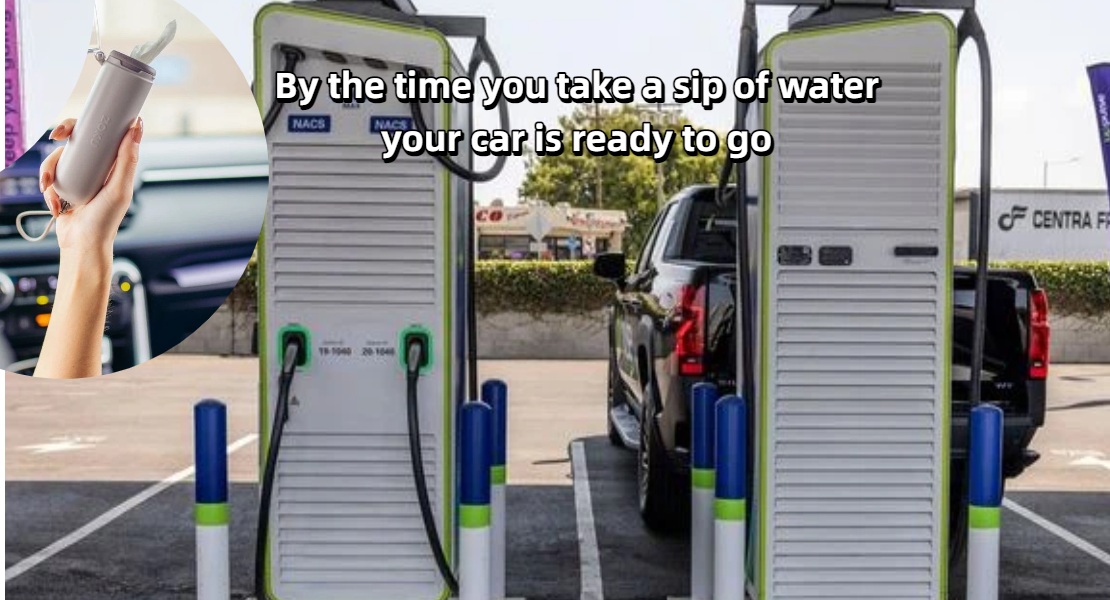
ในอนาคตการชาร์จจะเร็วขึ้นหรือไม่? ⚡🚀
คำตอบคือใช่ เร็วกว่าอย่างเห็นได้ชัด การชาร์จเร็วครองตลาดอยู่แล้ว โดยมีสัดส่วนมากกว่า 70% ของการติดตั้งทั้งหมด ในขณะที่การชาร์จเร็วมาก (150kW ขึ้นไป) กำลังเติบโตมากกว่า 50% ต่อปี
อนาคตชี้ไปสู่การชาร์จที่ระดับ 350 กิโลวัตต์ หรือแม้แต่ระดับเมกะวัตต์ โดยมีเป้าหมายเพื่อมอบประสบการณ์การเติมพลังงานที่เทียบเท่ากับสถานีบริการน้ำมันแบบดั้งเดิม
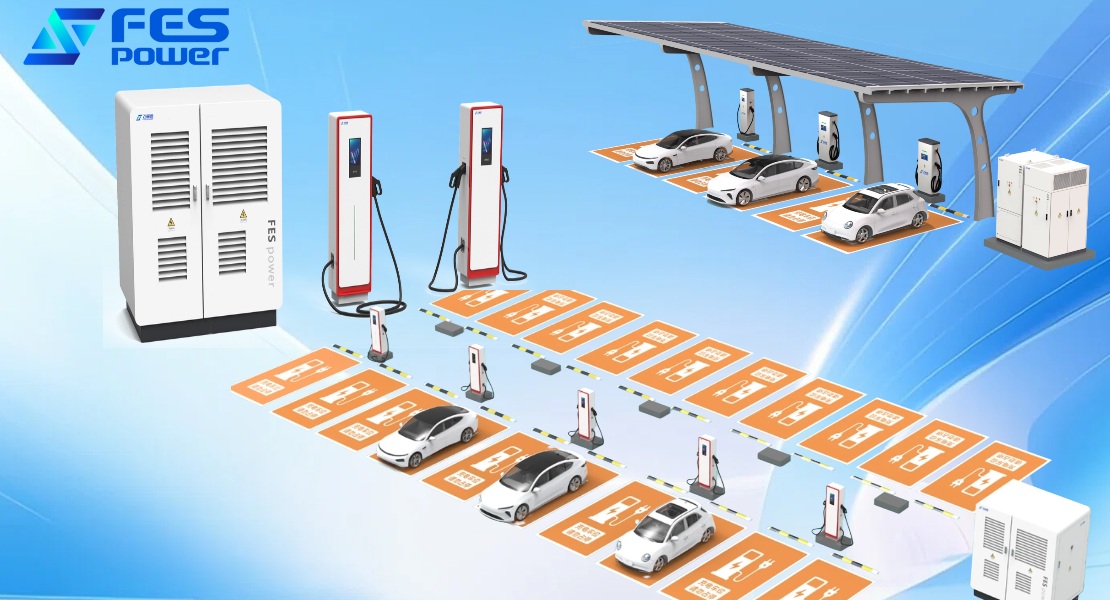
👉 ตรงจุดนี้เลย เฟส'ssระบบชาร์จ DC กำลังสูงแบบแยกส่วน (เช่น ตู้จ่ายไฟขนาด 960 กิโลวัตต์) โดดเด่นเป็นพิเศษ ด้วยการรวมพลังงานและการจัดสรรพลังงานแบบไดนามิก ทำให้สามารถใช้ประโยชน์และเพิ่มประสิทธิภาพการทำงานได้อย่างมาก
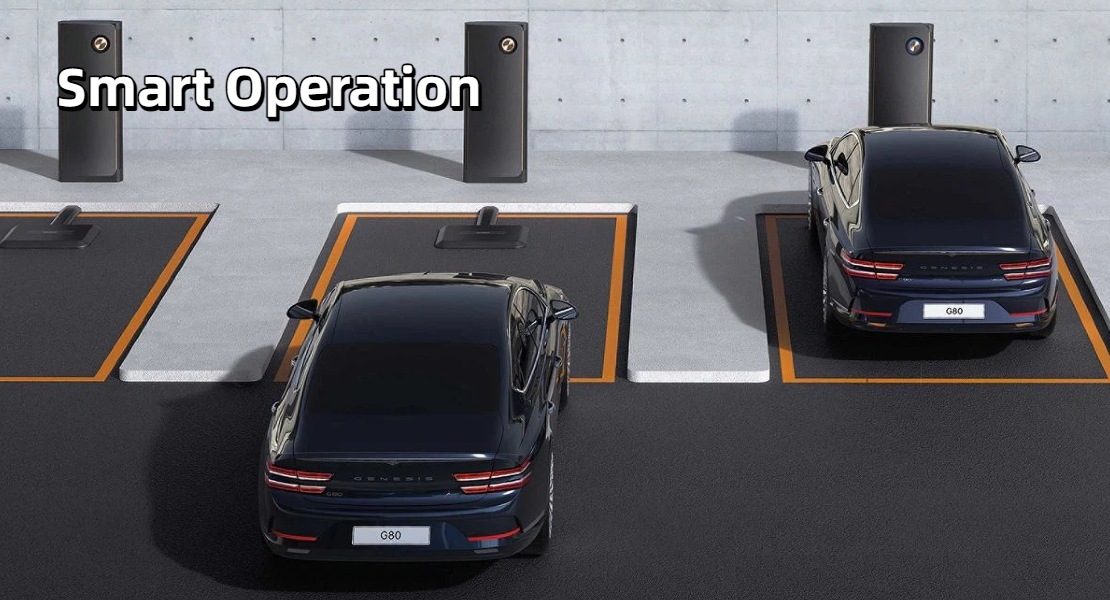
เครื่องชาร์จรถยนต์ไฟฟ้าจะฉลาดขึ้นหรือไม่? 🧠📊
เครื่องชาร์จรถยนต์ไฟฟ้าในอนาคตจะไม่ใช่แค่ "อุปกรณ์ส่งพลังงาน" อีกต่อไป แต่จะเป็นศูนย์กลางพลังงานอัจฉริยะ งานวิจัยแสดงให้เห็นว่าโครงสร้างพื้นฐานการชาร์จกำลังมุ่งไปสู่การเพิ่มประสิทธิภาพด้วย AI ซึ่งสามารถคาดการณ์ความต้องการ จัดการคิว และเพิ่มการใช้งานให้สูงสุด
ฟีเจอร์ต่างๆ เช่น การจัดการโหลดแบบไดนามิก การใช้งานและการบำรุงรักษาจากระยะไกล และการวิเคราะห์พฤติกรรมผู้ใช้ จะกลายเป็นมาตรฐาน
👉 โซลูชันของเราสร้างขึ้นบนสถาปัตยกรรม “การกระจายพลังงานที่ยืดหยุ่น + การจัดตารางเวลาอัจฉริยะ” ซึ่งช่วยให้สามารถจัดสรรพลังงานแบบเรียลไทม์ไปยังเทอร์มินัลหลายแห่ง และช่วยให้ผู้ประกอบการเพิ่มผลตอบแทนจากการลงทุนสูงสุด
เครื่องชาร์จจะมีบทบาทในระบบพลังงานหรือไม่? 🔋⚡
แนวโน้มสำคัญประการหนึ่งคือ การเชื่อมต่อยานยนต์กับโครงข่ายไฟฟ้า (Vehicle-to-Grid หรือ V2G) ภายในปี 2030 เฉพาะในประเทศจีนเพียงประเทศเดียว อาจสามารถผลิตพลังงานไฟฟ้าได้มากถึง 10 กิกะวัตต์ (GW) เพื่อป้อนเข้าสู่โครงข่ายไฟฟ้าอย่างยืดหยุ่น
หมายความว่า:
⚡ รถยนต์ไฟฟ้าไม่ได้เป็นเพียงแค่ผู้บริโภคพลังงาน แต่ยังเป็นหน่วยจัดเก็บพลังงานเคลื่อนที่อีกด้วย
⚡ เครื่องชาร์จจะเป็นส่วนเชื่อมต่อที่สำคัญกับโครงข่ายไฟฟ้า
⚡ สถานีชาร์จไฟจะพัฒนาไปสู่ศูนย์กลางพลังงานขนาดเล็ก
ในอนาคต โครงสร้างพื้นฐานสำหรับการชาร์จไฟจะถูกติดตั้งอย่างไร? 🌍🚗
การเติบโตในอนาคตไม่ได้หมายถึงแค่ “จำนวนสถานีชาร์จที่มากขึ้น” เท่านั้น แต่ยังหมายถึง “การวางแผนการใช้งานอย่างชาญฉลาด” ด้วย คาดว่าภายในปี 2030 กำลังการชาร์จทั่วโลกจะเพิ่มขึ้นเกือบเก้าเท่า ในขณะที่อัตราส่วนของสถานีชาร์จต่อจำนวนรถยนต์จะดีขึ้น ซึ่งบ่งชี้ถึงประสิทธิภาพของระบบที่สูงขึ้น
แนวโน้มสำคัญ ได้แก่:
🚗 การติดตั้งใช้งานในพื้นที่เมืองที่มีความหนาแน่นสูง สำหรับผู้ใช้งานที่ไม่มีที่ชาร์จไฟที่บ้าน
🚗 การขยายเส้นทางสถานีชาร์จเร็วพิเศษตามทางหลวง
🚗 การเติบโตของโซลูชันการชาร์จเฉพาะสำหรับยานพาหนะเชิงพาณิชย์
👉 ในสถานการณ์เหล่านี้ สถาปัตยกรรมแบบแยกส่วนมีข้อดีที่ชัดเจน รวมถึงความยืดหยุ่นในการขยายระบบ และการลงทุนเริ่มต้นที่ต่ำกว่า
เราต้องการเครื่องชาร์จรถยนต์ไฟฟ้าแบบไหนกันแน่? 🤔
จากแนวโน้มของอุตสาหกรรม เครื่องชาร์จในอนาคตที่เหมาะสมควรมีคุณสมบัติดังต่อไปนี้:
⚡ กำลังไฟฟ้าสูงพิเศษ (≥350 กิโลวัตต์ จนถึงระดับเมกะวัตต์)
🧠 การจัดการพลังงานอัจฉริยะและการเพิ่มประสิทธิภาพโดยใช้ข้อมูลเป็นหลัก
🔋 ความสามารถ V2G และการโต้ตอบด้านพลังงาน
📈 ใช้ประโยชน์สูงด้วยสถาปัตยกรรมที่ปรับขนาดได้
🌍 ความสามารถในการปรับตัวให้เข้ากับการใช้งานหลากหลายรูปแบบ
สรุป: การชาร์จเป็นเพียงจุดเริ่มต้นเท่านั้น ⚡
เครื่องชาร์จรถยนต์ไฟฟ้ากำลังพัฒนาไปสู่แพลตฟอร์มแบบบูรณาการที่ผสานรวมพลังงาน ข้อมูล และบริการต่างๆ เข้าด้วยกัน โดยคาดการณ์ว่าการใช้งานรถยนต์ไฟฟ้าจะเกิน 25% ของส่วนแบ่งการตลาดภายในปี 2025 อุตสาหกรรมนี้จึงยังอยู่ในช่วงเริ่มต้นเท่านั้น
การแข่งขันที่แท้จริงไม่ได้อยู่ที่ว่า "ใครมีเครื่องชาร์จ" อีกต่อไปแล้ว แต่เป็นการ "ใครสามารถนำเสนอโซลูชันการชาร์จที่ชาญฉลาดกว่า มีประสิทธิภาพกว่า และพร้อมสำหรับอนาคตได้"
👉 และนั่นคือทิศทางที่เรามุ่งมั่นที่จะเดินไป



 รองรับเครือข่าย IPv6