
- โทรหาเรา : +86-15060765919
- ส่งอีเมลหาเรา : bella@fespower.cn
❓กำลังไฟ 120kW, 180kW และ 240kW แตกต่างกันอย่างไร?
🏙️ เอ เครื่องชาร์จ 120 กิโลวัตต์ เหมาะอย่างยิ่งสำหรับสภาพแวดล้อมในเมืองที่ผู้คนใช้เวลาอยู่ในรถนาน เช่น ที่จอดรถในร้านค้าปลีกหรือสำนักงาน
⚖️ เอ เครื่องชาร์จ 180 กิโลวัตต์ นำเสนอแนวทางที่สมดุล ช่วยเพิ่มประสิทธิภาพโดยไม่เพิ่มต้นทุนด้านโครงสร้างพื้นฐานอย่างมีนัยสำคัญ
🚗 เอ เครื่องชาร์จ 240 กิโลวัตต์ เหมาะอย่างยิ่งสำหรับทางหลวงหรือจุดเชื่อมต่อที่มีการจราจรหนาแน่น ซึ่งการลดเวลาการรอคอยเป็นสิ่งสำคัญ
📈 การเพิ่มกำลังไฟฟ้าจาก 120 กิโลวัตต์เป็น 240 กิโลวัตต์ สามารถเพิ่มปริมาณงานได้โดย 30–60%แต่จะเป็นไปได้ก็ต่อเมื่อมีอุปสงค์และปริมาณไฟฟ้าจากโครงข่ายเพียงพอเท่านั้น
❓การชาร์จเร็วขึ้นนั้นดีต่อผลกำไรเสมอไปหรือไม่?
💡 ไม่จำเป็นเสมอไป อัตราการใช้งานมักมีความสำคัญมากกว่าความเร็วในการชาร์จสูงสุด
📉 เครื่องชาร์จขนาด 240 กิโลวัตต์ที่มีการใช้งานน้อย อาจสร้างรายได้น้อยกว่าเครื่องชาร์จขนาด 120 กิโลวัตต์ที่ใช้งานเต็มประสิทธิภาพ
💰 การปรับปรุงโครงข่ายไฟฟ้าเพื่อรองรับกำลังไฟฟ้าที่สูงขึ้นอาจทำให้ค่าใช้จ่ายด้านการลงทุน (CAPEX) เพิ่มขึ้นได้ 20–40%ซึ่งส่งผลต่อระยะเวลาคืนทุน
🔄 นี่คือเหตุผลที่ผู้ให้บริการจำนวนมากขึ้นหันมาใช้กลยุทธ์การชาร์จที่ยืดหยุ่นและปรับขนาดได้ แทนที่จะมุ่งเน้นแต่การเพิ่มกำลังไฟฟ้าเพียงอย่างเดียว
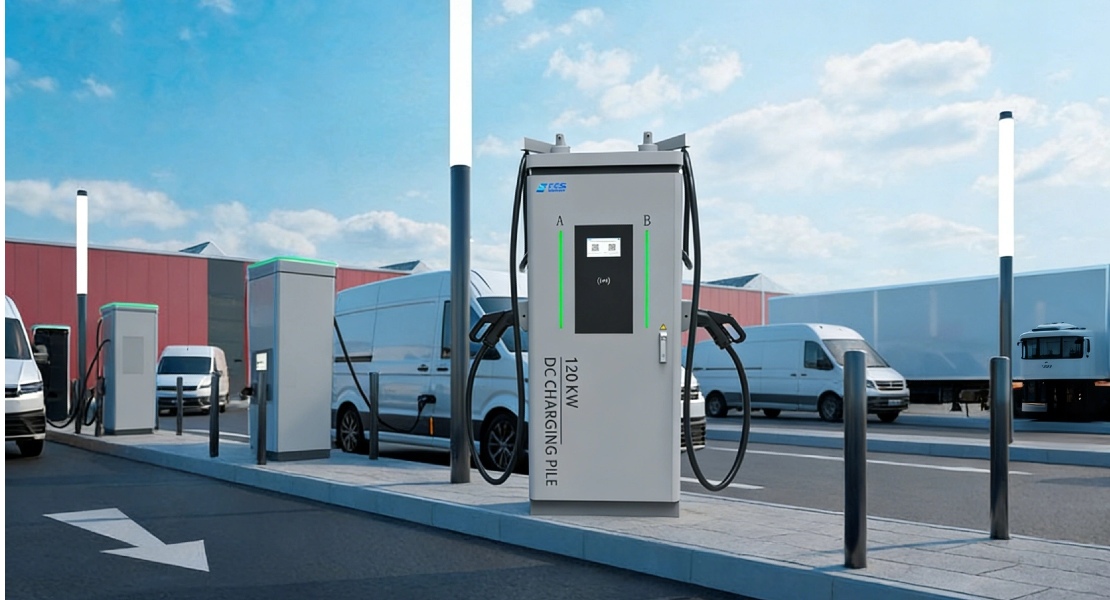
❓ความเข้ากันได้ของรถยนต์มีผลต่อการเลือกของคุณอย่างไร?
🚙 รถยนต์ไฟฟ้าส่วนใหญ่ในปัจจุบันสามารถชาร์จไฟได้ภายในระยะทางสั้นๆ ช่วงกำลังไฟ 80kW–150kWซึ่งหมายความว่าพวกเขาไม่สามารถใช้กำลังการผลิต 240 กิโลวัตต์ได้อย่างเต็มที่
⚠️ เฉพาะรุ่นพรีเมียมรุ่นใหม่เท่านั้นที่รองรับการชาร์จเร็วพิเศษที่สูงกว่า 200kW อย่างสม่ำเสมอ
📊 การติดตั้งเครื่องชาร์จกำลังสูงในตลาดที่มีรถยนต์ที่รองรับไม่เพียงพอ อาจส่งผลให้การใช้งานไม่เต็มประสิทธิภาพ
🎯 การปรับกำลังไฟของเครื่องชาร์จให้สอดคล้องกับประเภทรถยนต์ไฟฟ้าในพื้นที่ของคุณเป็นสิ่งสำคัญสำหรับการเพิ่มประสิทธิภาพสูงสุด
❓ระบบจ่ายพลังงานมีบทบาทอย่างไรในการชาร์จในยุคปัจจุบัน?
🔌 เครื่องชาร์จแบบดั้งเดิมจ่ายไฟในอัตราคงที่ ซึ่งมักส่งผลให้ประสิทธิภาพลดลงเมื่อความต้องการใช้พลังงานผันผวน
🧠 ระบบอัจฉริยะในปัจจุบันใช้ การจัดสรรพลังงานแบบไดนามิกโดยกระจายพลังงานตามความต้องการแบบเรียลไทม์
📉 แนวทางนี้ช่วยลดภาระของระบบโครงข่ายไฟฟ้าพร้อมทั้งเพิ่มประสิทธิภาพการใช้ประโยชน์สถานีโดยรวม
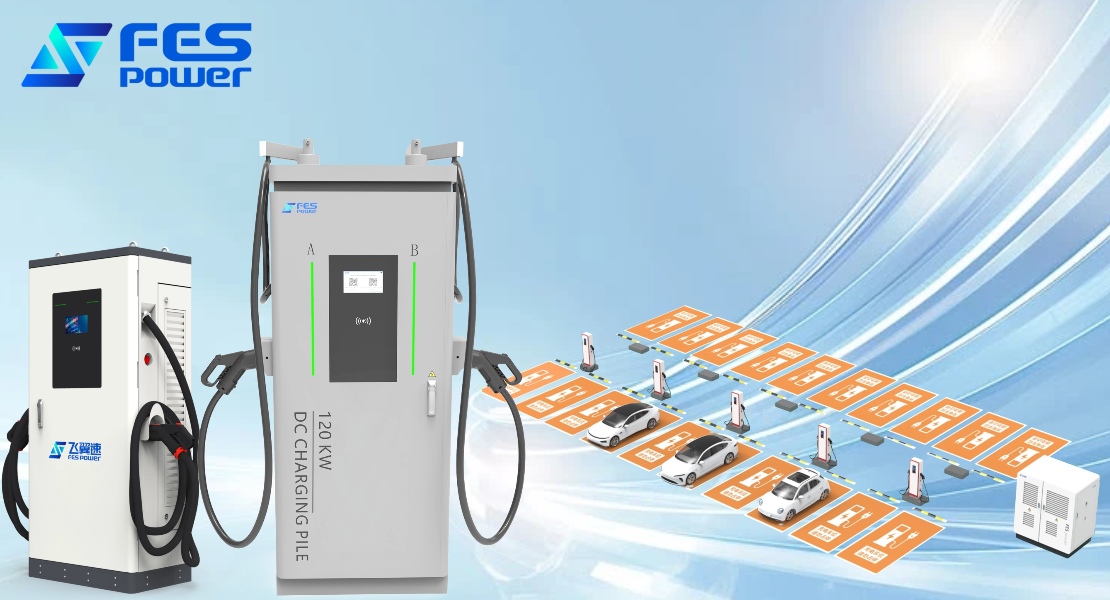
🏢 ที่ เอฟเอส พาวเวอร์, ของเรา ระบบชาร์จไฟ DC แบบแยกส่วน (120kW–960kW) ผลิตภัณฑ์เหล่านี้ถูกสร้างขึ้นโดยยึดแนวคิดนี้เป็นหลัก ซึ่งช่วยให้สามารถแบ่งปันพลังงานได้อย่างยืดหยุ่นระหว่างอุปกรณ์หลายตัว เพื่อให้สอดคล้องกับสถานการณ์การใช้งานจริง
❓คุณควรเลือกที่ชาร์จแบบไหนดี?
✅ เลือก 120 กิโลวัตต์ สำหรับการใช้งานที่คุ้มค่าและมีความต้องการใช้งานที่คงที่ในระดับปานกลาง
⚖️ เลือก 180 กิโลวัตต์ หากคุณต้องการความสมดุลระหว่างผลตอบแทนและการลงทุน
🚀 เลือก 240 กิโลวัตต์ สำหรับสถานที่ที่มีความต้องการสูง ซึ่งความรวดเร็วและการหมุนเวียนสินค้าเป็นสิ่งสำคัญ
🔄 หรือลองพิจารณาแนวทางที่ยืดหยุ่นกว่า เช่น การติดตั้งระบบที่สามารถปรับขนาดได้ตามความต้องการที่เพิ่มขึ้น แทนที่จะยึดติดกับการกำหนดค่าแบบตายตัว
❓กลยุทธ์ระยะยาวที่ชาญฉลาดกว่าคืออะไร?
📊 อุตสาหกรรมกำลังเปลี่ยนจาก “พลังงานที่สูงขึ้น” ไปสู่ “ประสิทธิภาพที่สูงขึ้น”
🔧 ความสามารถในการขยายขนาดและความยืดหยุ่นกำลังกลายเป็นปัจจัยสำคัญต่อผลกำไรในระยะยาว
🌱 การลงทุนในโครงสร้างพื้นฐานที่ปรับเปลี่ยนได้ในวันนี้ จะช่วยหลีกเลี่ยงการอัปเกรดที่มีค่าใช้จ่ายสูงในอนาคต
🏗️ ด้วยโซลูชันแบบโมดูลาร์ เช่น แพลตฟอร์มของ FES Power ผู้ประกอบการสามารถเริ่มต้นด้วยกำลังการผลิต 120kW–180kW และขยายขนาดขึ้นได้ 240 กิโลวัตต์ขึ้นไป เมื่อความต้องการเพิ่มขึ้น โดยไม่ต้องสร้างระบบใหม่ทั้งหมด
🚀 ข้อคิดสุดท้าย
🎯 การเลือกใช้ระหว่าง 120kW, 180kW และ 240kW ไม่ใช่แค่เรื่องความเร็วเท่านั้น แต่ยังเป็นเรื่องของกลยุทธ์ด้วย
📈 ทางออกที่ดีที่สุดคือทางออกที่สอดคล้องกับความต้องการของคุณ สภาพพื้นที่ พฤติกรรมผู้ใช้ และศักยภาพการเติบโตในอนาคต.



 รองรับเครือข่าย IPv6